JazzCash International Payments: 2 Routes, Not 1 (2026)
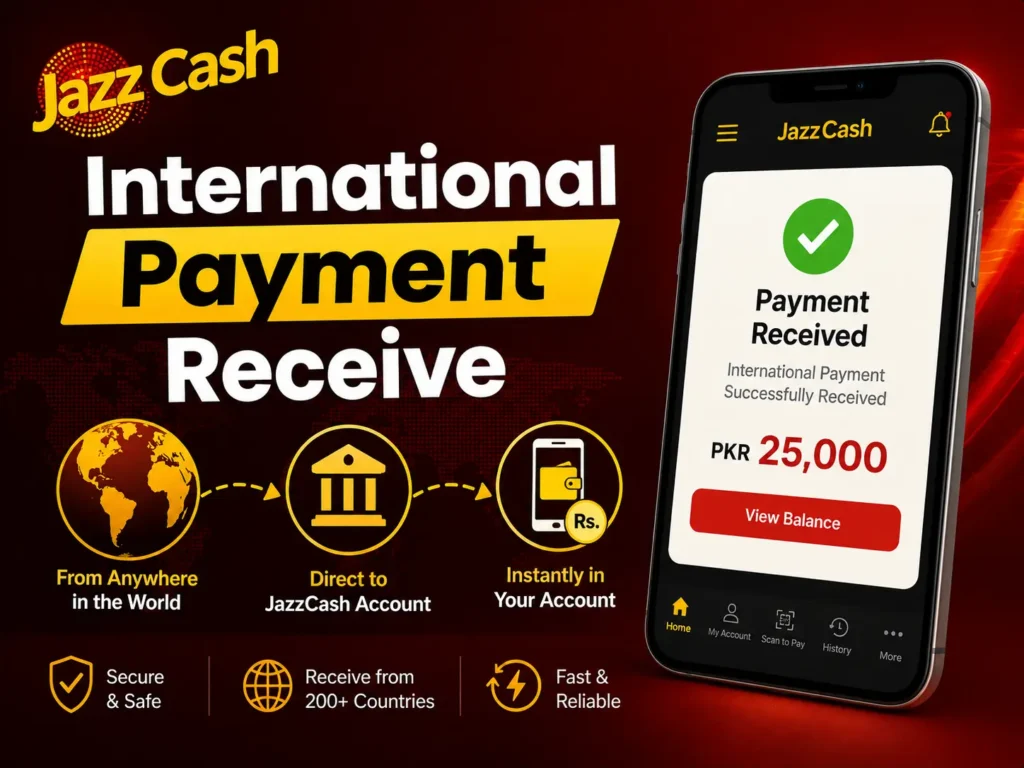
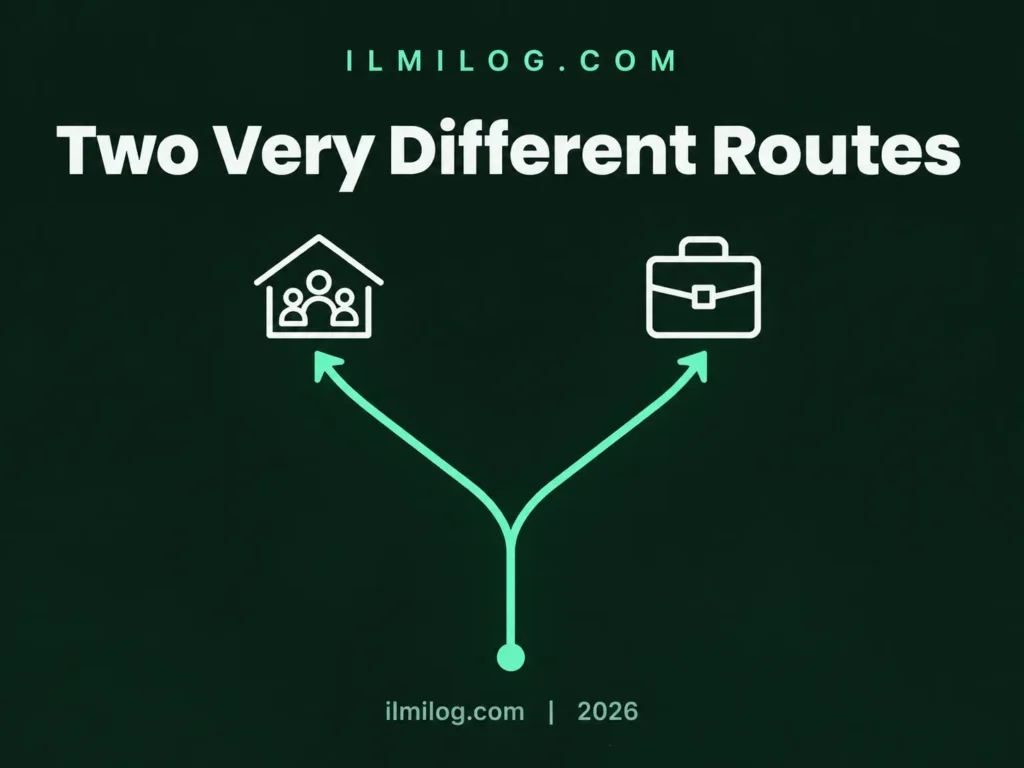
Quick Answer: Yes, but the process is completely different depending on why you’re receiving money. If it’s family or personal money from someone abroad, JazzCash can receive it directly and instantly through a remittance partner like Western Union or ACE Money Transfer, no other account needed. If it’s a client or platform payment for freelance or business work, JazzCash can’t receive that directly at all — you need a Payoneer account first, and JazzCash then works as your withdrawal destination from Payoneer, not as the thing actually receiving the international transfer. Most confusion around JazzCash international payment receipt comes from these two routes being treated as one process when they’re genuinely not.
If you’re specifically trying to set up the freelance route, our guide to creating a Payoneer account in Pakistan covers the account you’ll need before JazzCash becomes relevant at all.
What you’ll learn: → Why “receiving an international payment” means two different things depending on the source → The direct remittance route, and which partners actually support it → The freelance and business route, and why it runs through Payoneer first → What verification actually affects how much you can receive → A realistic timeline for both routes, including where delays come from
Two Different Questions Hiding Inside One Search
Almost every guide on this topic answers a single, simplified version of “can JazzCash receive international money,” when there are really two separate situations that work completely differently.
The first is personal: a relative abroad sending you money for family support, tuition, or an emergency. The second is professional: a client paying you for freelance work, or a platform like Upwork sending your earnings. These aren’t variations on the same process — they use entirely different infrastructure, and treating them as interchangeable is exactly why so many people get confused searching for this topic.
Receiving Personal Remittances Directly
For personal remittances, JazzCash genuinely does receive the money directly into your mobile wallet, in real time, without needing any other account in between. JazzCash’s own international remittance service works through partner networks like Western Union and ACE Money Transfer — the sender abroad initiates the transfer through one of these partners, names your JazzCash-registered mobile number as the recipient, and the funds land in your wallet as soon as the transfer clears, with an SMS confirming it arrived.
Once it’s in your wallet, you can cash it out at any of JazzCash’s agent locations across Pakistan, withdraw through an ATM, or simply use the balance directly for bill payments, mobile top-ups, or sending money onward to someone else. This route genuinely doesn’t require a bank account, a Payoneer account, or any additional setup beyond having an active, verified JazzCash mobile account. For recipients in smaller towns without easy access to a bank branch, this is often the more practical option regardless of which route a sender abroad could technically use instead.
Receiving Freelance or Client Payments
This is where the process changes entirely, and it’s the part most guides get wrong by implying JazzCash can receive a client’s wire transfer or Upwork payment the same way it receives a remittance. It can’t. International freelance and business payments don’t arrive in JazzCash directly — they arrive in a Payoneer account, and JazzCash then functions as one of the ways you move that balance into something spendable.
Payoneer’s own documentation on the JazzCash integration confirms this setup: once your Payoneer account is verified and linked to JazzCash through the arrangement between the two companies, transferring your Payoneer balance into your JazzCash mobile account carries no transfer fee. From there, you get two free ATM cash withdrawals per month through JazzCash’s network, with standard charges applying beyond that. The client or platform you’re being paid by still needs to be sending to Payoneer specifically — JazzCash is the destination for your balance afterward, not the account details you’d hand a client directly.
What You Need Before Either Route Works
For the remittance route, you need an active JazzCash mobile account with your identity verification completed to whatever level the remittance amount requires — larger transfers typically need a more complete KYC tier than smaller ones, so if you’re expecting a significant amount, it’s worth confirming your verification level is current before the money is sent rather than after. JazzCash’s own account documentation notes that transfer and receiving limits vary by KYC tier, and that every transaction is protected by MPIN authentication and one-time password verification, which is worth knowing if a transaction asks for a code you weren’t expecting — it’s a normal security step, not a sign of a problem.
For the freelance route, you need a verified Payoneer account first, with the JazzCash linkage set up on top of that. Trying to set up the JazzCash side before Payoneer is approved puts the steps in the wrong order, since JazzCash’s role here depends entirely on Payoneer already working.
How Long Either Route Actually Takes
Remittances through the partner network are built to be close to instant, with funds typically available within minutes of the sender completing the transfer on their end. Occasionally a transaction gets flagged for anti-money-laundering screening, which can add up to about two days before the funds clear — this isn’t unusual for cross-border transfers generally and isn’t specific to JazzCash.
The freelance route’s overall timeline is really the sum of two separate steps: however long the client or platform’s payment takes to land in Payoneer, plus the JazzCash transfer itself, which happens quickly once initiated. Our guide to Payoneer withdrawal minimums and fees covers the Payoneer side of that timeline in more detail if you’re trying to estimate the full journey from client payment to spendable balance.
A Program Worth Knowing About If You Receive Remittances Regularly
If you’re receiving family remittances through official channels on a regular basis, the State Bank of Pakistan’s Sohni Dharti Remittance Program is worth looking into. It’s a loyalty-style initiative for overseas Pakistanis sending money home through regulated channels, where points accumulate on qualifying transfers and can be redeemed for benefits at participating public sector entities. It’s not something that changes how you receive money day to day, but it’s a real incentive that a lot of regular remittance recipients simply don’t know exists.
Common Mistakes That Cause Confusion or Delays
Giving a client your JazzCash details expecting them to pay you directly. This doesn’t work — international business payments need to go through Payoneer first, not JazzCash’s own account details.
Assuming remittance and freelance payments use the same verification requirements. They’re genuinely separate systems with separate setup steps, even though both eventually put money in the same wallet.
Not confirming KYC tier before expecting a large remittance. A verification level that’s fine for everyday use may not support a larger one-time transfer without an update first.
Setting up JazzCash’s Payoneer link before Payoneer itself is verified. The order matters — Payoneer approval has to come first.
Problem Diagnosis: Money Not Showing Up?
If a remittance hasn’t arrived within the expected window, first check whether it’s undergoing anti-money-laundering screening, which can add up to two days — this is a normal part of the process, not necessarily a sign of a problem. If it’s been longer than that, confirming the exact recipient details the sender used, especially the mobile number, is the next thing to check, since a mismatched number is a common and easily fixed cause of a delay. For the freelance route, if a Payoneer balance isn’t showing up in JazzCash after a transfer, confirm the linkage between the two accounts is actually active rather than assuming the transfer itself failed.
When JazzCash Isn’t the Right Fit
Skip relying on JazzCash if: you’re expecting large, frequent business payments and want to hold a balance in multiple currencies — that’s a Payoneer-level need, not something JazzCash’s mobile wallet is designed to handle on its own. Skip the remittance route specifically if the sender’s country isn’t covered by JazzCash’s current partner network; not every country has the same remittance partner coverage, so confirming support before assuming it’ll work saves a wasted attempt.
This is a good fit if: you’re receiving family support from abroad through a supported remittance partner, or you already have Payoneer set up and want a fee-free, fast way to move that balance into something you can spend or withdraw locally.
Decision Checklist
- I know which route applies to my situation — personal remittance or freelance payment → these are genuinely different processes
- My JazzCash verification level matches the size of transfer I’m expecting → prevents a surprise limit issue
- If it’s a freelance payment, my Payoneer account is already verified → the JazzCash link depends on this being done first
- I’ve confirmed the sender’s country is supported by a JazzCash remittance partner, if applicable → avoids a failed attempt
- I understand occasional AML screening can add a short delay → sets realistic expectations rather than assuming something’s wrong
Honest Verdict
| What Works | What Doesn’t |
| Direct, near-instant remittances through supported partners | Expecting a client to pay JazzCash details directly |
| Fee-free Payoneer-to-JazzCash transfers once both are linked | Setting up the JazzCash link before Payoneer is verified |
| Using JazzCash as a spendable, withdrawable destination | Treating JazzCash as a multi-currency holding account |
| Checking KYC tier ahead of a larger expected transfer | Assuming everyday verification covers any transfer size |
Best for: people receiving personal remittances from supported countries, and freelancers who already use Payoneer and want a fast, fee-free way to access that balance locally.
Skip the confusion entirely if: you separate the two questions from the start — who’s sending the money, and why, determines which route actually applies to you.
FAQ
Q: Can a client in another country pay me directly through JazzCash?
No. International business and freelance payments need to go through Payoneer first. JazzCash receives your Payoneer balance afterward, not the original client payment directly.
Q: Which countries can send remittances directly to JazzCash?
Coverage depends on JazzCash’s current remittance partners, including networks like Western Union and ACE Money Transfer. Confirming the sender’s specific country is supported before initiating a transfer avoids a failed attempt.
Q: Is there a fee to move money from Payoneer into JazzCash?
No, transferring a Payoneer balance into a linked JazzCash account doesn’t carry a transfer fee, though standard Payoneer withdrawal fees still apply on the Payoneer side.
Q: How many free ATM withdrawals do I get after receiving a freelance payment through JazzCash?
Two free cash withdrawals per calendar month are available through JazzCash’s ATM network following a freelance payment transfer, with standard charges applying beyond that.
Q: Why would a remittance take longer than a few minutes?
Anti-money-laundering screening occasionally flags a transaction, which can add up to about two days. This is a routine part of cross-border transfers rather than a sign something’s gone wrong.
Final Recommendation
Identify which route actually applies to your situation before troubleshooting anything — personal remittance and freelance payment are genuinely separate processes with separate requirements, even though both end up in the same JazzCash wallet. If Payoneer and JazzCash together don’t end up covering everything you need, our guide to getting paid without PayPal in Pakistan covers the wider landscape of payment options available.
Researched and written by the ilmilog.com editorial team. Remittance and freelance payment routes confirmed against JazzCash’s and Payoneer’s own official documentation as of July 2026. This article is general information, not financial advice, and specific limits, partners, and fees can change — always confirm current details directly with JazzCash or Payoneer before relying on either route.